Insulation Maintenance Guide — Hawkesbury & Renfrew County, Ontario
A four-season maintenance routine to keep your home insulation performing effectively in eastern Ontario's demanding climate.
Spring — Inspect Attic After Winter
The first warm days of spring in Hawkesbury are the ideal time to check your attic for any damage caused by the long eastern Ontario winter. After months of cold temperatures, snow loads, and freeze-thaw cycles, several problems may be visible that require attention before the summer season.
Moisture damage: Look for water stains on roof sheathing, rafters, and insulation. Stains may indicate ice dam damage, roof leaks, or condensation from inadequate ventilation. If insulation is wet or matted, it has lost R-value and needs replacement. In Renfrew County, where snow loads are significant, ice dams are a common cause of spring attic moisture.
Compressed insulation: Check if insulation has been compressed by stored items, animal activity, or simply settling. Compressed insulation has reduced R-value. Fluff or replace as needed. Cellulose insulation tends to settle more than fibreglass, so topping up may be required every 5–10 years.
Animal intrusion: Rural properties in Hawkesbury and the surrounding Prescott-Russell area are prone to animal intrusion. Squirrels, raccoons, mice, and birds can enter attics through gaps in soffits, roof vents, or damaged fascia. Look for droppings, nesting materials, chewed wiring, or damaged insulation. Any animal entry points should be sealed before the warm season brings more activity.
Summer — Inspect for Pest Damage and Verify Ventilation
Summer in eastern Ontario brings heat and humidity, which can reveal different types of insulation problems. The warmer months are also the best time to address ventilation issues discovered during spring inspection.
Pest damage assessment: Summer is when pest activity is most visible. Check attic insulation for signs of rodent nesting or damage. Mice and squirrels will tear up insulation for nesting material. If you find damaged areas, you will need to remove contaminated insulation, seal entry points, and replace the insulation before winter. In rural Renfrew County properties, regular pest inspections are especially important.
Ventilation check: Verify that all attic vents — soffit vents, gable vents, ridge vents — are clear of obstructions. Wasps, birds, and debris can block vents during summer. Use a flashlight to check soffit vents from inside the attic (after removing insulation carefully) to ensure baffles are directing airflow properly. Blocked ventilation in Hawkesbury's humid climate can lead to condensation problems in winter.
Mould and mildew: Examine attic surfaces for any signs of mould or mildew growth. This indicates a moisture problem that needs investigation — either a roof leak, inadequate ventilation, or air leakage from the living space. Mould on roof sheathing in summer is a red flag that requires professional assessment.
Fall — Pre-Winter Preparation
Fall is the most important maintenance season for Hawkesbury homeowners. Before the cold weather arrives, take these steps to ensure your insulation system is ready for another eastern Ontario winter:
Verify R-values: Measure your attic insulation depth. For Climate Zone 6, you should have at least 18–22 inches of blown-in cellulose or 22–26 inches of blown-in fibreglass. If current levels are below R-60, consider adding more before winter. Fall is the ideal time for this work because temperatures are mild and contractors are less busy than during winter emergencies.
Seal air leaks: Walk through your home and identify new drafts. Common areas include attic hatches, window frames, electrical outlets on exterior walls, and baseboards. Seal any gaps with caulk or expanding foam. For attic hatches, ensure the weatherstripping is intact and the hatch cover is insulated to at least R-20.
Check ventilation baffles: If you have blown-in attic insulation, ensure ventilation baffles are still correctly positioned. Heavy insulation installation or animal activity can dislodge baffles, blocking soffit vent airflow. Proper airflow from soffit to ridge is essential for preventing ice dams in Hawkesbury winters.
Winter — Monitor for Ice Dams and Frost
Winter is the ultimate test of your home's insulation and air sealing. Hawkesbury's Ottawa River valley location means prolonged cold snaps, heavy snowfall, and freeze-thaw cycles that create ideal conditions for insulation problems to become visible.
Ice dams: The most visible sign of insulation problems in winter is ice dams — ridges of ice that form at the roof edge, blocking water drainage. If you see ice dams after a snowfall, it indicates heat is escaping into the attic through inadequate insulation or air leaks. The snow melts on warm roof areas, runs down to the cold eaves, and refreezes. Ice dams can cause significant water damage when meltwater backs up under shingles. Monitoring for ice dams after snowfalls is a good practice for Hawkesbury homeowners.
Frost in attic: On very cold days (below -15°C), check your attic for frost accumulation on the underside of roof sheathing, nails, or rafter surfaces. Frost in the attic is a clear sign that warm, moist air from the living space is reaching the attic through air leaks. This condensation will melt in spring and can cause mould, rot, and reduced insulation effectiveness. If you find frost, identify and seal air leaks before adding more insulation.
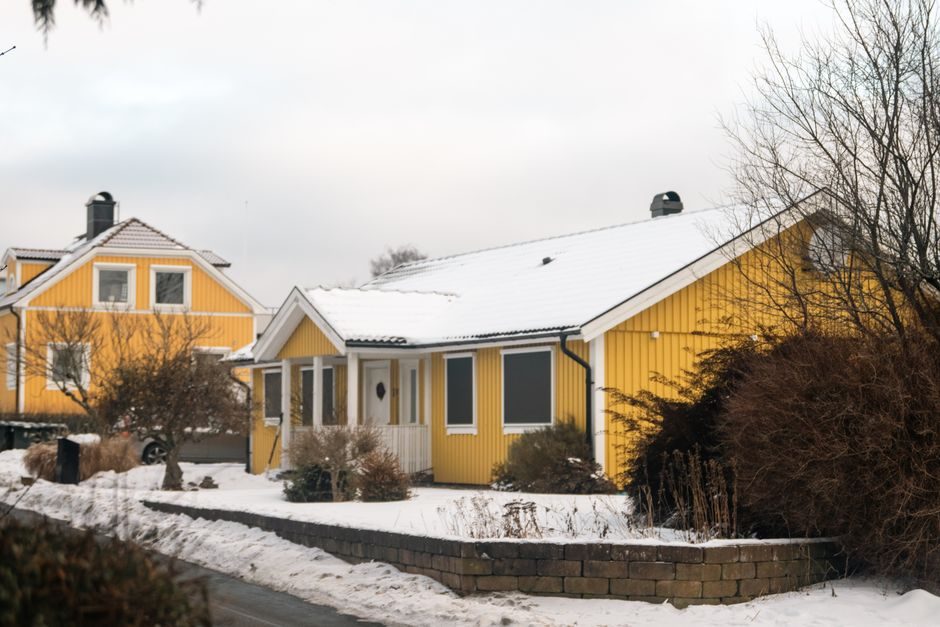
Roof snow patterns: After a snowfall, observe your roof from outside. An even, consistent snow cover suggests uniform attic temperature — a sign of good insulation. Patchy melting, where snow is absent over certain roof areas, indicates heat loss from below. This is especially noticeable on the Ottawa River valley's older farmhouse-style roofs common in the Hawkesbury area.
Signs Your Insulation Needs Attention
Beyond seasonal checks, watch for these indicators throughout the year: consistently high heating bills compared to similar homes in Renfrew County, rooms that are noticeably colder than others, drafts near windows or exterior walls even when closed, walls or ceilings that feel cold to the touch in winter, and ice accumulation on roof edges after snowfalls. Any of these signs suggest your insulation or air sealing may need upgrading.
Related Information
Attic Insulation Guide
Understanding insulation types, R-value targets, and when to top up for Climate Zone 6.
Read GuideAir Sealing Guide
How to identify and seal air leaks that cause ice dams and frost in the attic.
Read GuideCost Guide
Budgeting for insulation top-ups and maintenance as part of home ownership in Renfrew County.
Read Guide